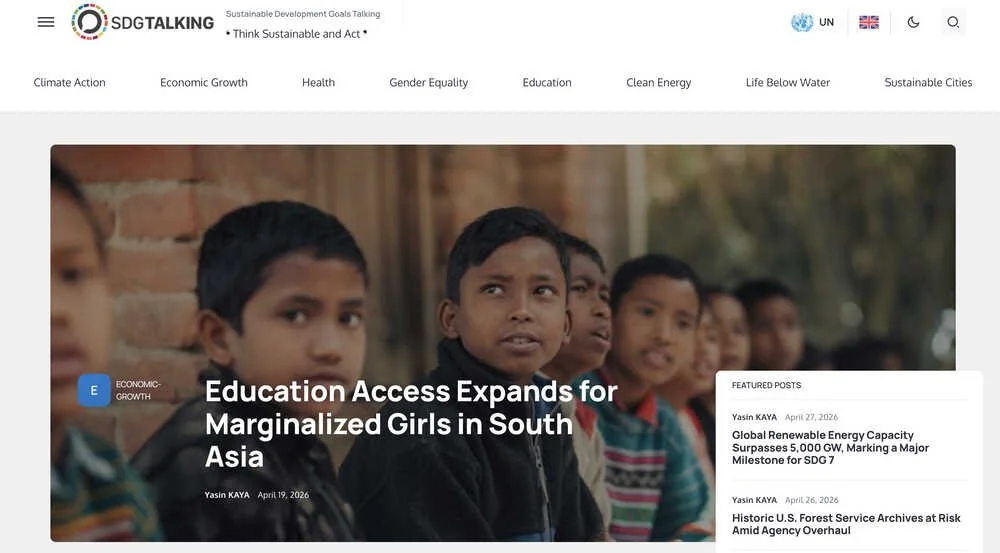
Backlinks for Photographers: Turn Your Archive Into Free High-Authority Links
Backlinks for Photographers: Build Authority & Get Your Website Ranking
The best SEO link-building for photographers, using the images you already have.
Build backlinks that can move your photography website up Google Search Results
Hong Kong family and lifestyle photographer with 20 years of experience. This SEO backlink course is a side project I built to help fellow photographers grow their businesses, the same method I used to build my own site's authority.
I stopped blogging and started earning editorial links instead. I earned 45+ backlinks with average DR 55+, for free, including 10+ between DR80–93, using nothing but my existing image archive. Here's the exact system.
Most photographers are told to blog more to rank higher. I ignored this standard ‘SEO for family photographers’ advice, and deleted a massive amount of blog content that was dragging my site down. I used my main asset, my photos, to get my site back in the game.
If you have a strong archive of work, you already have the leverage to naturally earn high-authority links to your website from media outlets, universities, and global organisations.
If you're searching for how to get backlinks for photography websites, standard guides will tell you to email local vendors or write guest blogs. That doesn't scale. Here is how to build high-authority links using assets you already own.
Here is Exactly How to Backlink Images to Your Website:
Prioritize → Upload → Circulate → Track → Outreach → Secure Links → Repeat
How to gain domain authority for photographers, the laborious part.

DR 85
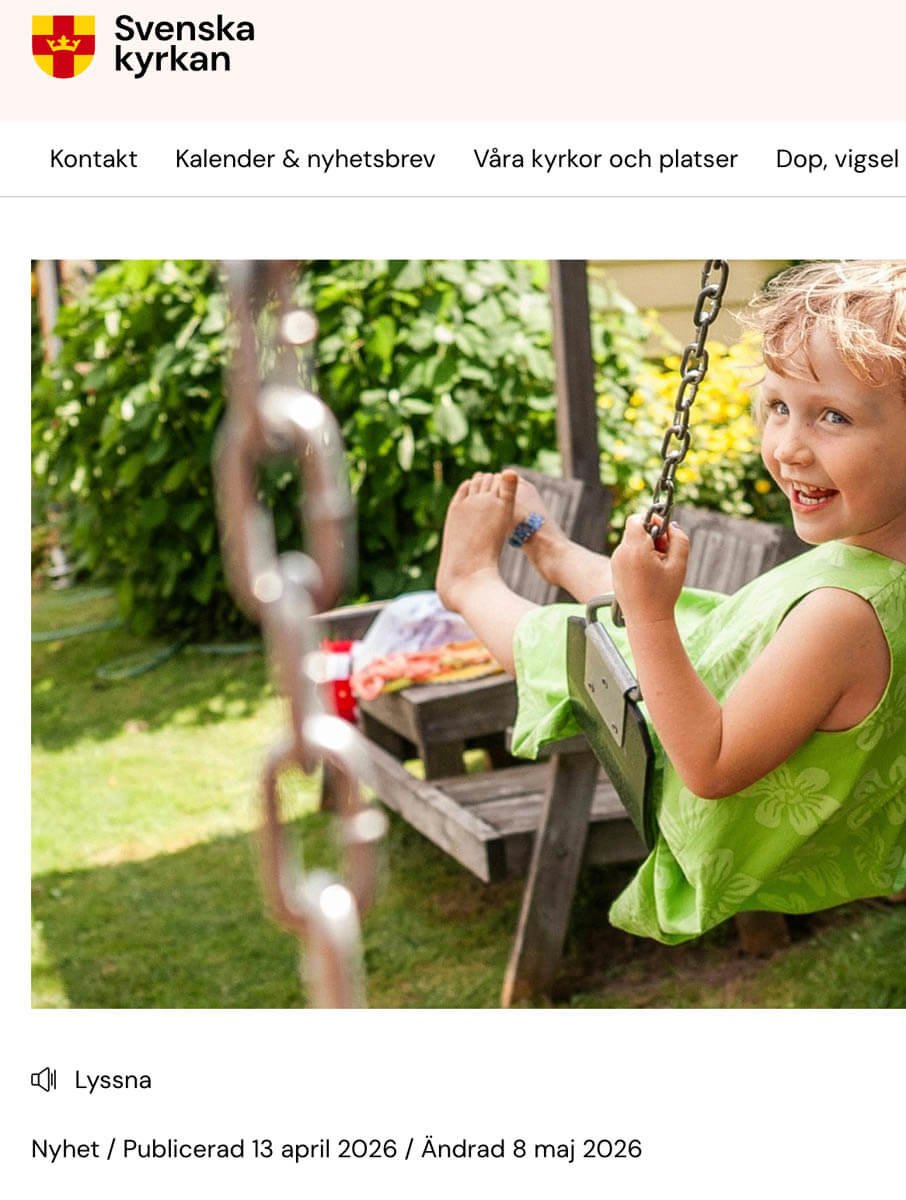
DR 82
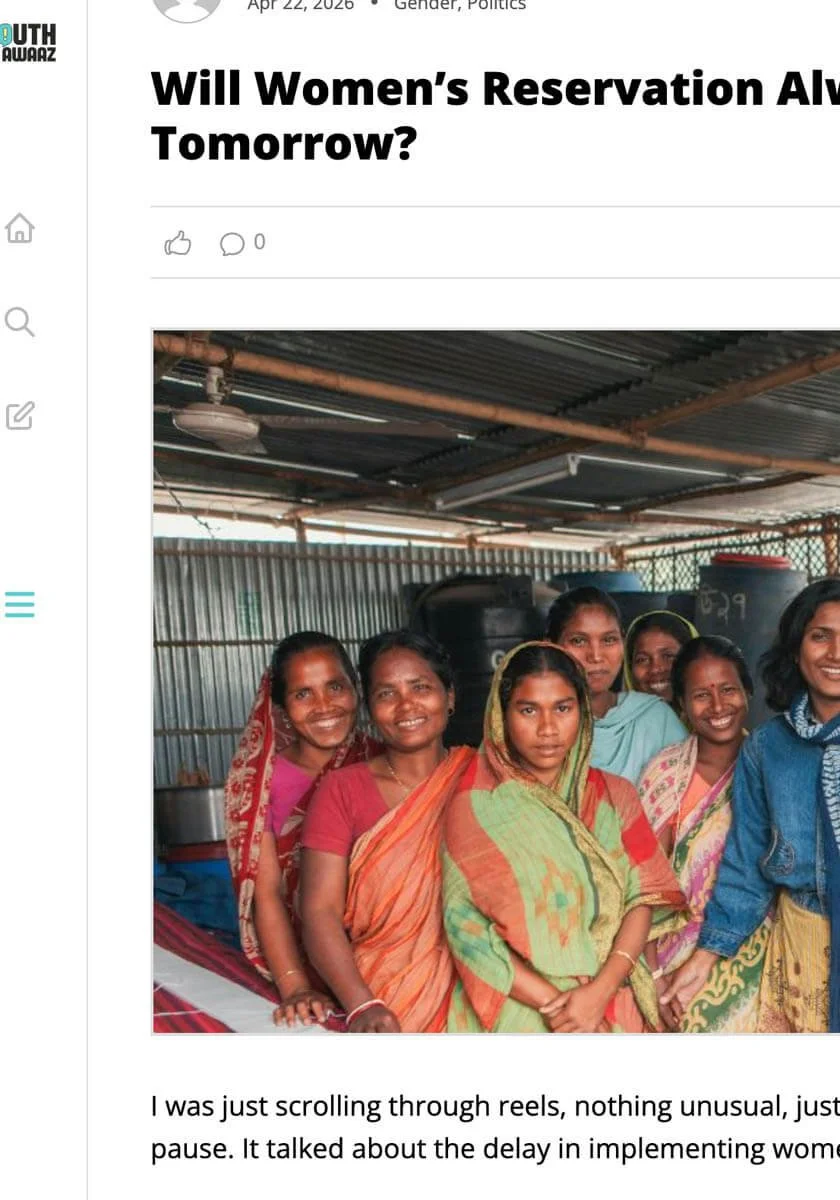
DR 69
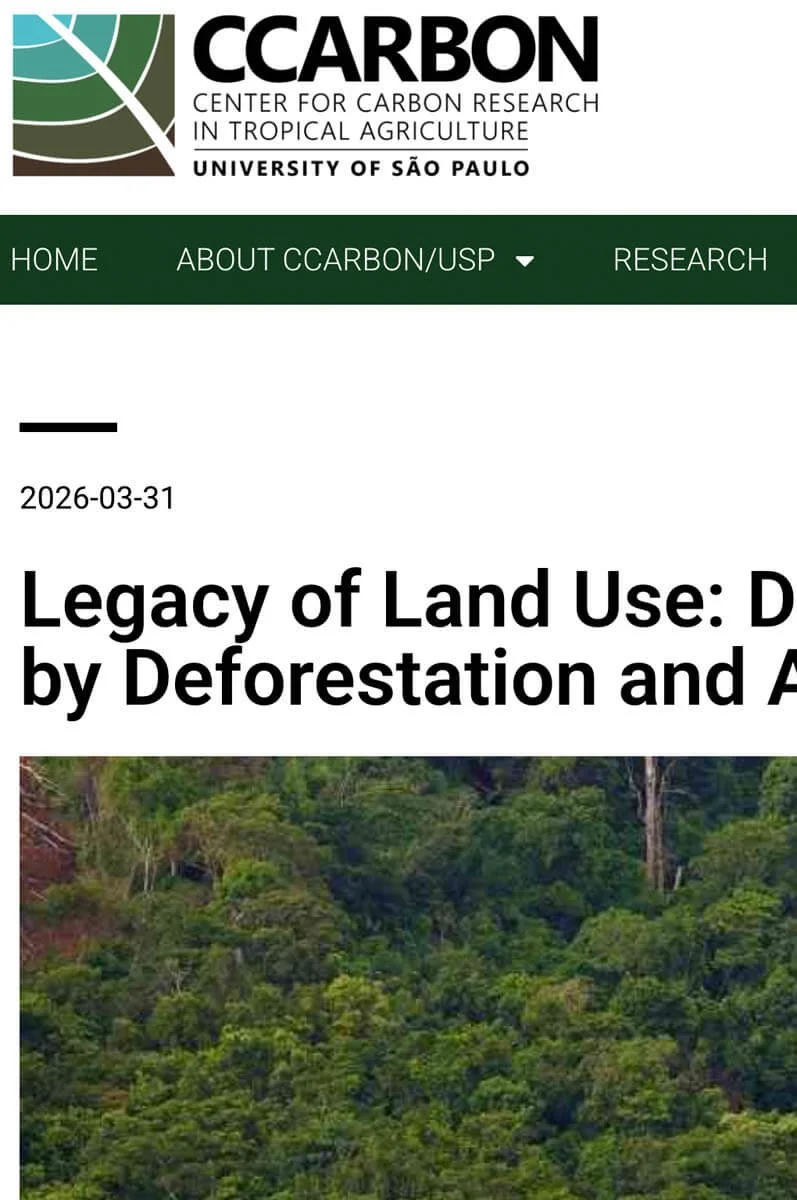
DR 88
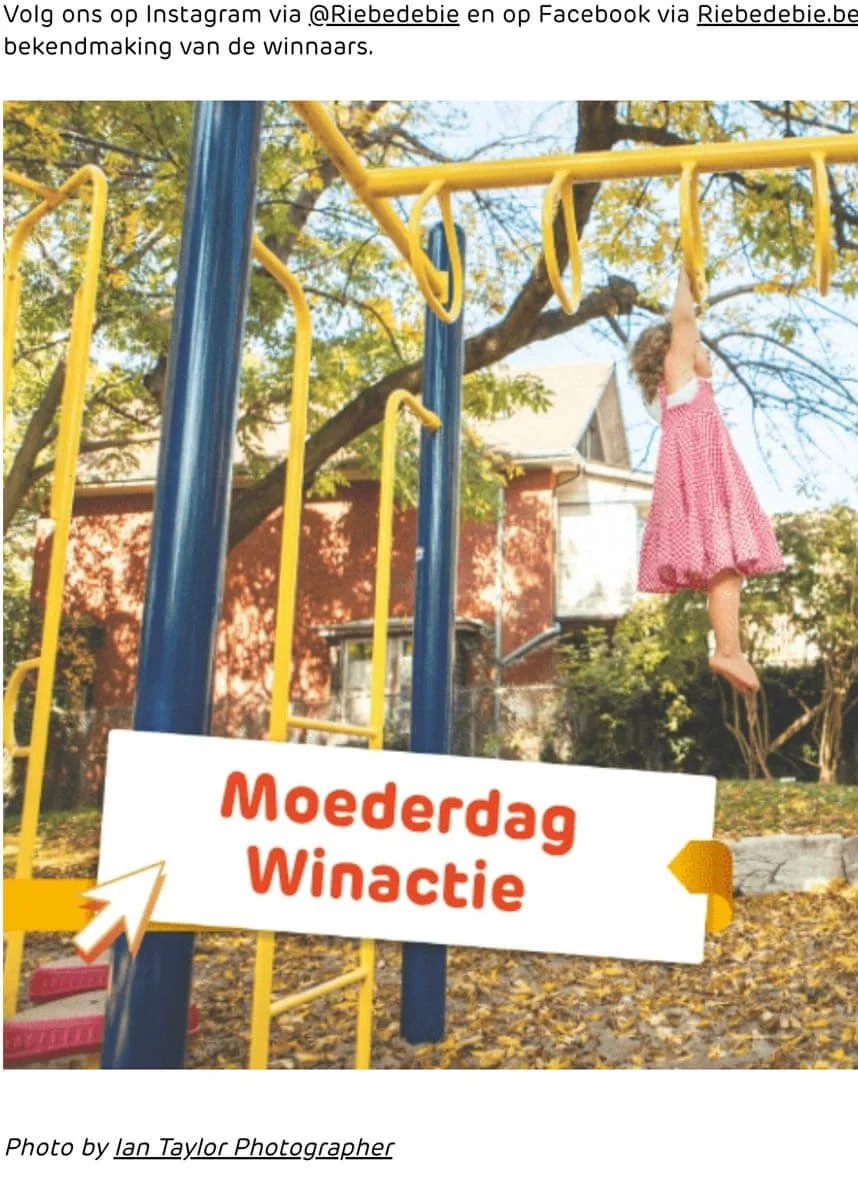
DR 37
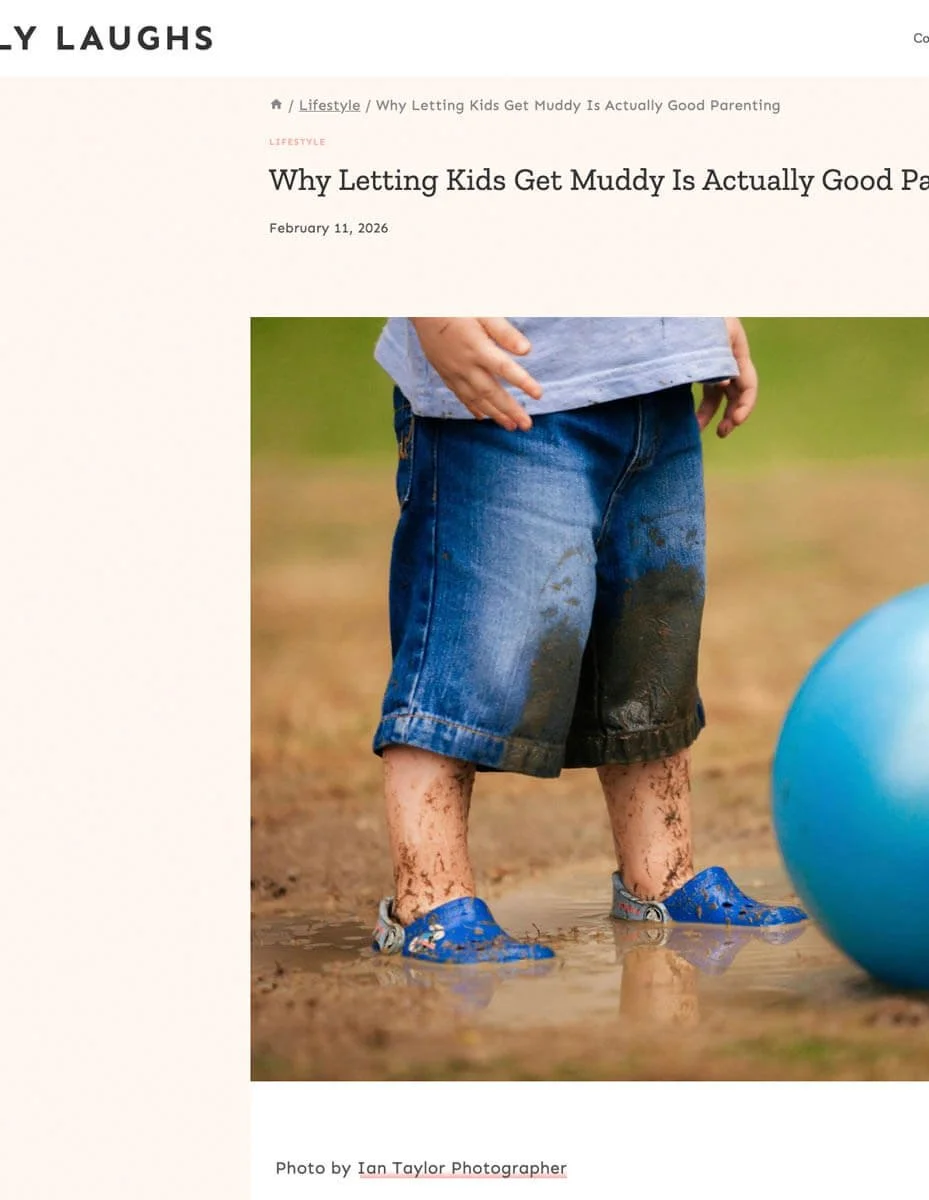
DR 49
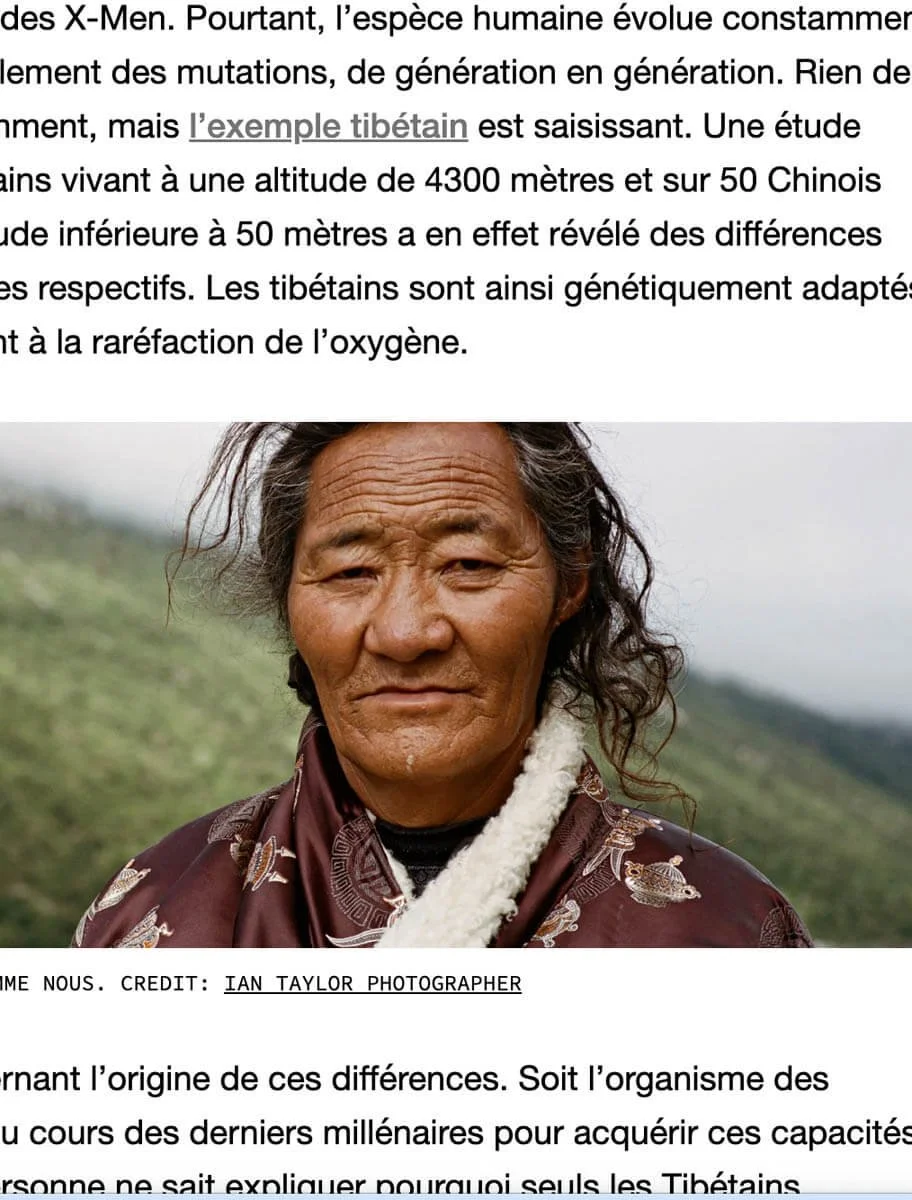
DR 91
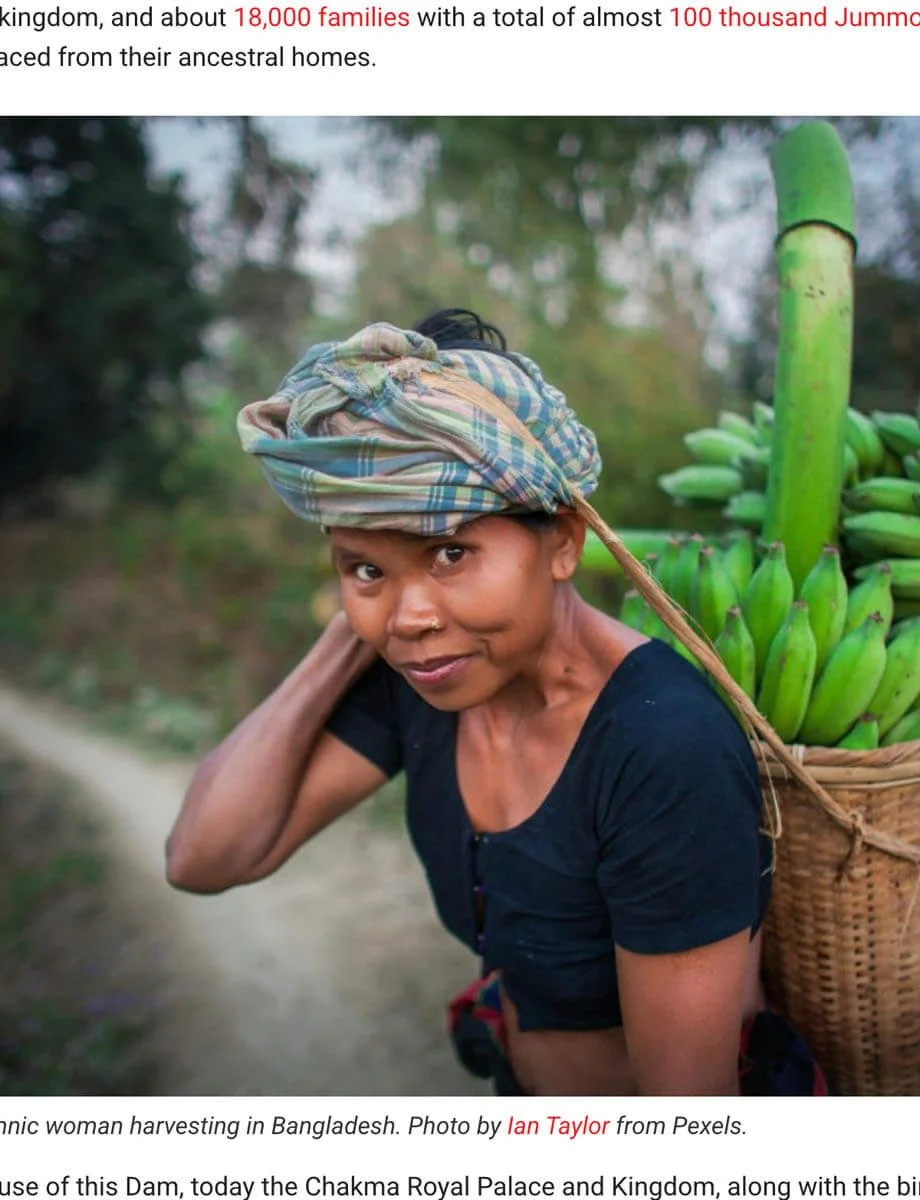
DR 40

DR 74

DR 44
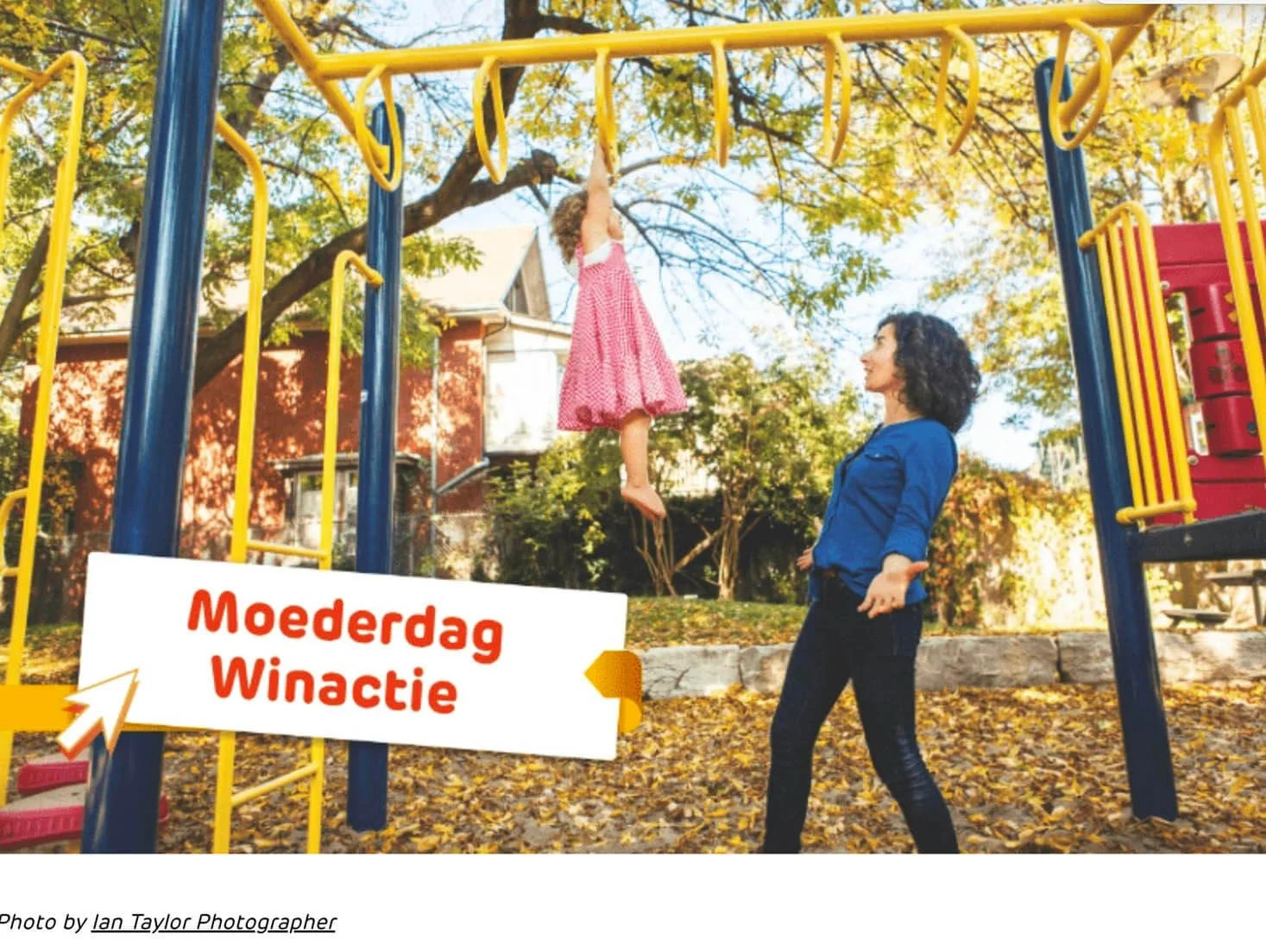
Why is my photography website not ranking?
Usual advice ignores the real reason behind this question every creator eventually asks.
You don’t just need better alt text, FAQ schema or H3 tweaks, you need Domain Authority, and that authority comes from backlinks.
Google “backlinks for photographers,” “link building for photographers,” or “link building for wedding photographers,” and every single page peddles a version of the same soul-crushing list of chores:
Begging the neighborhood florist or wedding venue to link to your gallery.
Chasing down low-authority local directory listings.
Paying hundreds of dollars for guest ‘Claude McBlog’ posts that nobody sees or asked for.
Photographers think too small. Why waste time begging for low-authority links when you can get great citations that are actually seen? You likely have a library of photos that are doing nothing, put 0.01% of them to work. (The right 0.01%)
A note on the backlink industry
Backlinks, in the purest sense, are the trickiest, most time-consuming part of SEO. The vast majority of working photographers have no long-term strategy for improving their domain authority, choosing instead to pay their way to the front page of Google instead of improving their backlink profile.
The multi-billion dollar backlink industry is, in large part, built on smoke and mirrors. Private blog networks, paid guest posts dressed up as editorial, link farms and automated spam. It’s a perpetual cat-and-mouse game with Google that gets murkier every year.
What I have codified is something different: backlinks as they were originally conceived. A site uses your work, you ask them to credit you properly and backlink images, they do. No money changes hands. No one is gaming anything.
These are among the purest ‘votes of confidence’ links on the internet; editorially placed, contextually relevant, and earned. And because the image stays in the article, the link stays too. No expiry dates, no annual renewal fees, no waking up to find your link farm deindexed.
Google's entire algorithm was built to reward exactly this. Almost nobody is building them.
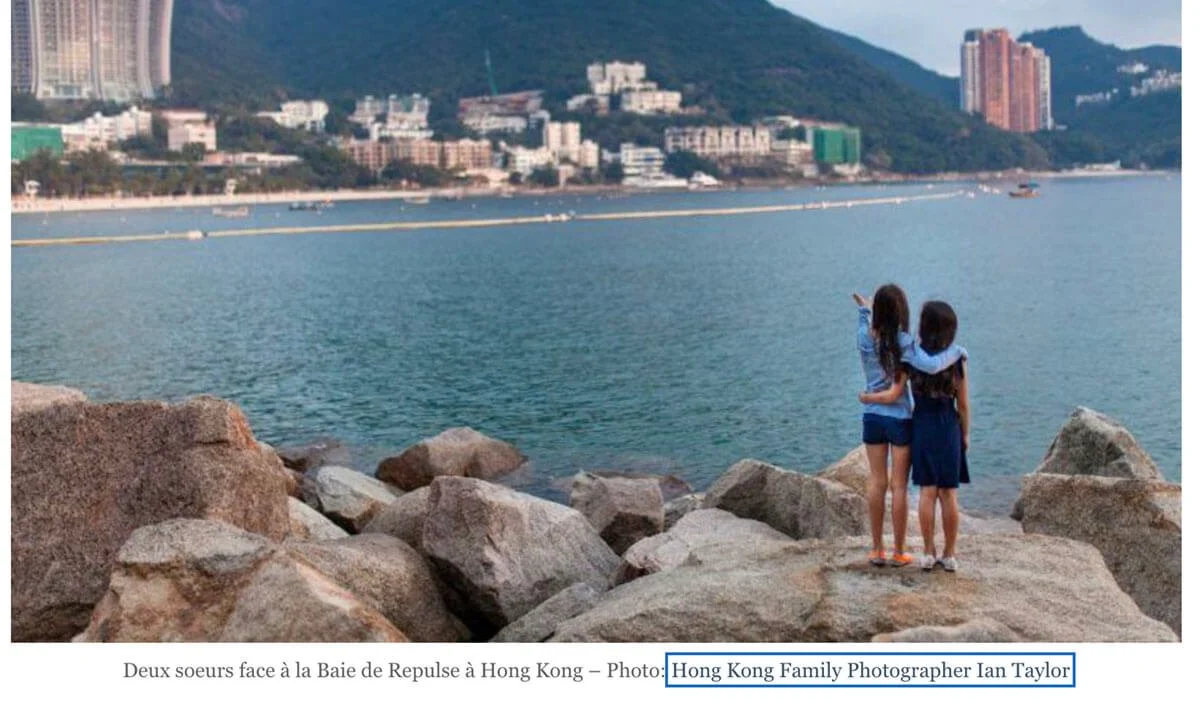
How Photographers Can Build High-Authority Backlinks Using Assets They Already Own
Instead of battling impossible vanity terms like "New York Family Photographer" against legacy paid directories and sites with massive ad budgets, you start winning high-intent, ready-to-book searches:
"Candid family photographer Brooklyn"
"Outdoor family portraits Central Park"
"Best family photographer Upper West Side"
Most of your competition never makes it past Page Two.
Do you even know what your Domain Ranking is?
1-2-1 Sessions
Sign up for info

DR 91

DR 70

DR 55
DR 44
Case Study: 45+ Free High-Authority Backlinks
For 10+ years, my website ranked Top Three in my main market organically without me even trying. I had 100,000+ FB followers, which actually meant something in 2017.
By 2024, that organic visibility vanished. I dropped to Page Three, which, in search terms, means gone. (75% of searchers don’t reach Page Two. 90% of clicks are on Page One.)
So I built my authority from scratch, developing my Pexels stock photo attribution strategy to leverage my visual assets.
No paid placements | No link building farms | No SEO agency involved.
Watch the video for my quick case study in photography link-building.
The Image Backlink Method: How Backlinking Images Drives Ranking
Traditional SEO for photographers often ignores their most valuable asset for earning links: their work.
This is the only search strategy for photographers built entirely around what we actually have, images:
Constant Demand: Digital media has an insatiable daily appetite for fresh imagery. This is the reason you can earn free edu backlinks, when you have the correct imagery.
Authenticity Wins: Editors actively prefer real, unscripted photography over sterile stock and AI images.
The Attribution Gap: Sites use your work but don't credit you, and every uncredited usage is a missed image backlink.
Zero Competition: Your local competitors are entirely ignoring this opportunity.
Normal Search Engine Optimization agencies can't do this. Their quant approach doesn’t include photography, storytelling, or genuine human outreach. That final outreach is the trickiest part of the entire process, and this is what we do every day.
They are digital
We are analog
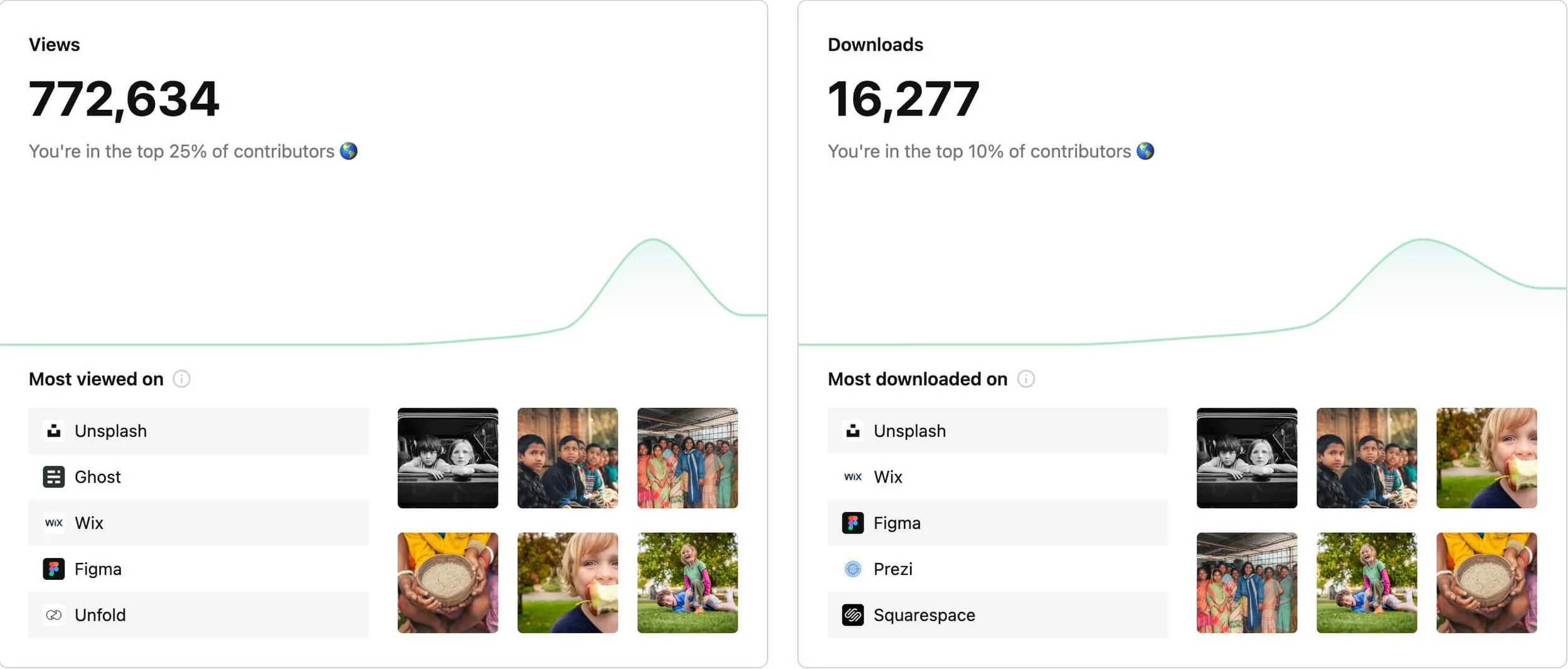
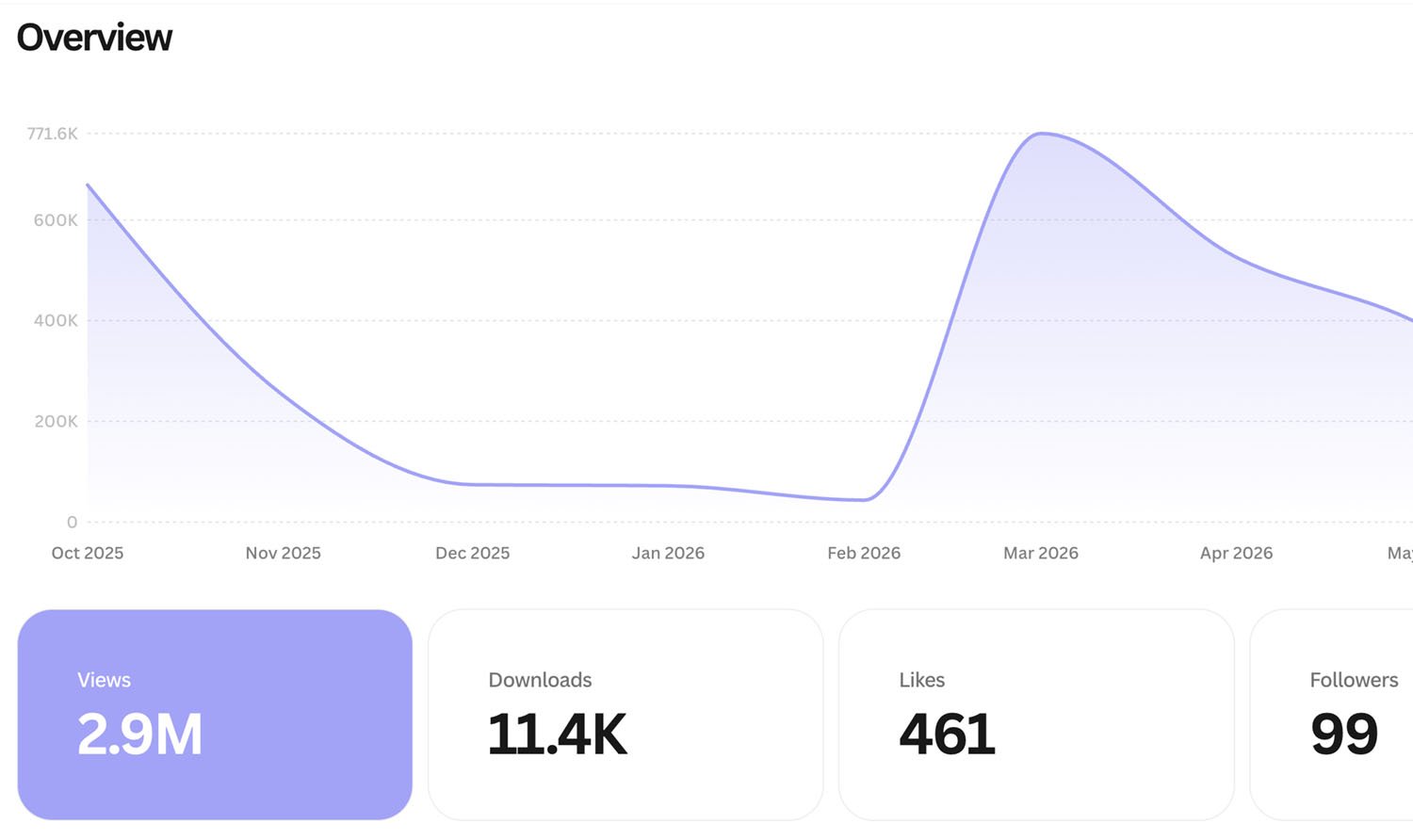
Image Submission Backlinks: How Image Link Building Works in Reality
Most photographers assume image submission backlinks mean dropping photos onto low-quality web directories. That does nothing for your domain authority.
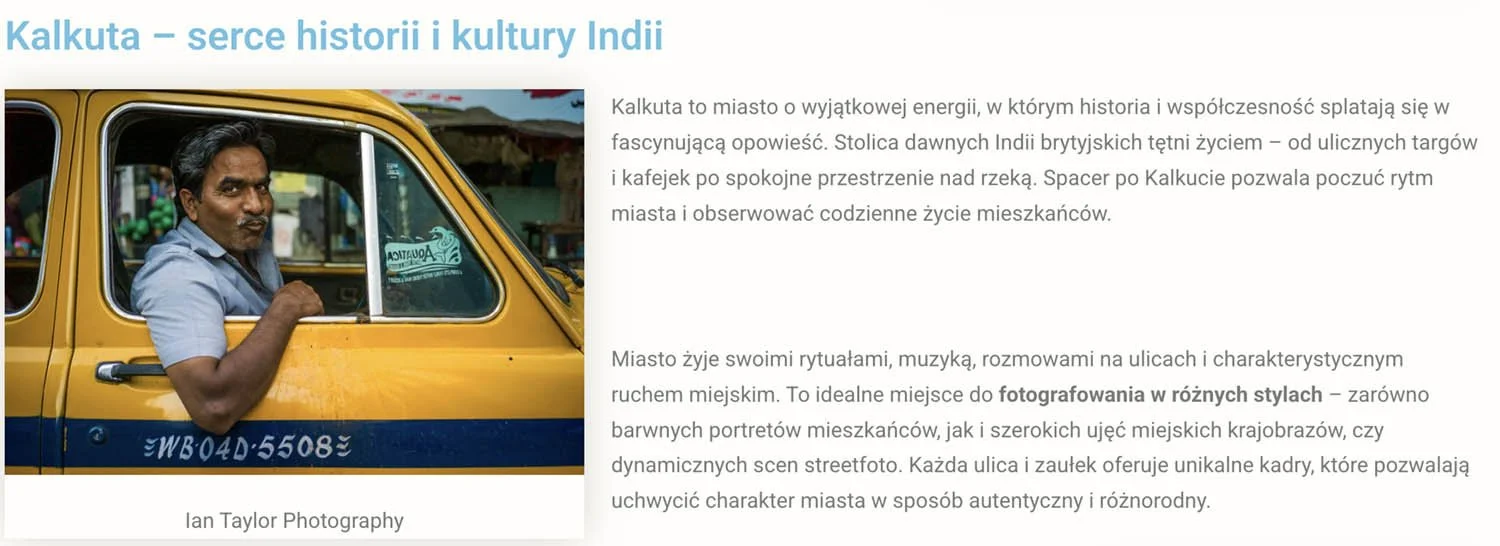
On paper, the concept sounds simple: publish work, distribute it, track usage, and earn links. For me this was a mix of family photography, and documentary humanitarian work from my decades in Asia.
In reality, earning image submission backlinks is like gold mining; extracting that handful of gold from a massive mountain of dirt and rocks. Success means converting 2-3% of usages into links.
The process requires hundreds of micro-decisions over a months-long period:
Which 1 to 5% of your archive holds editorial value.
Why the most downloaded images do not convert to links.
How to position requests to maximize success.
When to follow up.
I spent almost half a year on this before securing a single backlink, then they starting coming in consistently as I corrected my many mistakes.
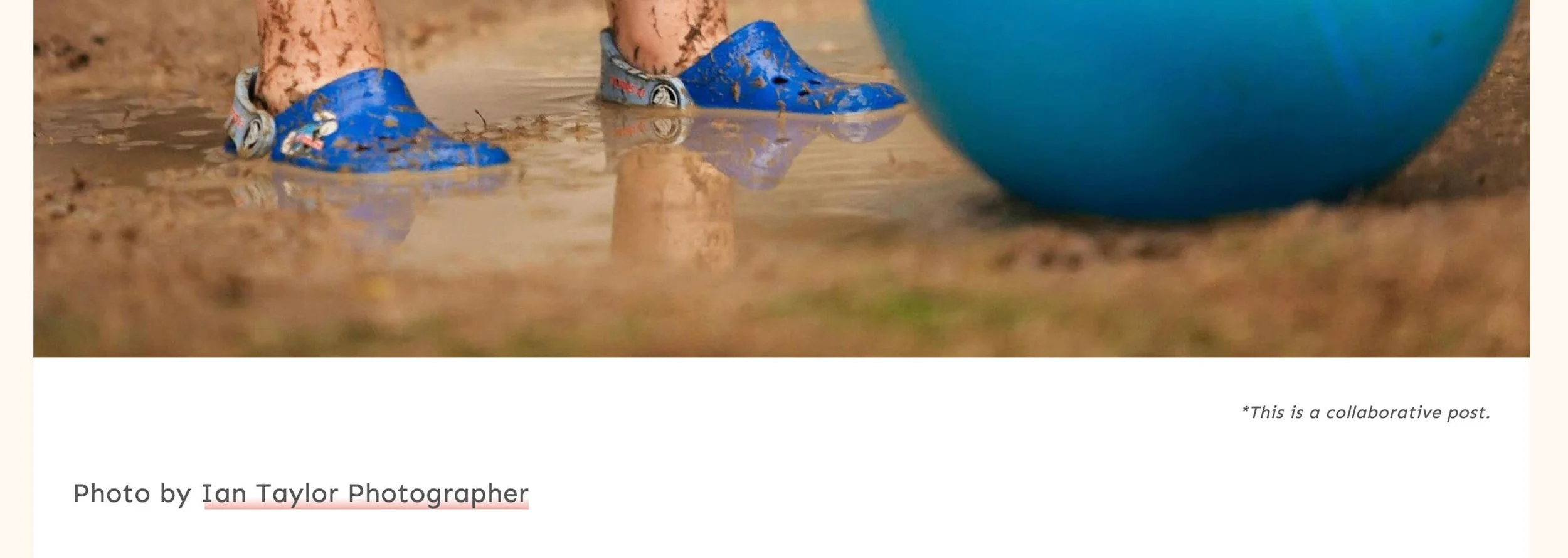
The "Bear" Rule of SEO for Photographers
Two hikers see a bear. One starts tying his shoes. “You can’t outrun a bear,” the other says. “I don’t have to,” he replies. “Just you.”
You don’t need to outrank the largest photography sites on earth. You only need to outrank the local competitors in your specific market who are still trying to blog their way to Page One.
How SEO Backlinks for Photographers Actually Stack Up
| Method | Cost | Effort | Reality |
|---|---|---|---|
| Spam Links, Risky PBNs | Low | Low | Risk of Google penalty; low-to-no traffic. |
| Guest Blogging | High (Time) | Extreme | You're a photographer, not a columnist. |
| Paid Placements | $$$$ | Low | Link farms that Google ignores. |
| The Stock Photo Backlink Method | $0 Investment is time and assets. | Strategic | High-DR, white-hat editorial links from world-class domains. |
The Offer: 1-on-1 Guided Implementation on SEO Link Building for Photographers
This is not an online video course you'll forget to watch. This is a personalized, direct implementation program broken into four private 60–90 minute sessions over the space of four to six months.
Session 1 — Asset Audit & Strategy:
Overview
Define your niche
Analyze your DR re: your market
Set up apps
Session 2 — Distribution & Platform Strategy
3-5 platforms depending
Format, naming, and keywording
Make your work discoverable to editors
Session 3 — Tracking & Opportunity Discovery
Reverse image search options (4-5 free & paid)
How to find every usage of your images
Filtering usages for outreach (approx. 5-10%)
Session 4 — Outreach & Link Securing
Tailored strategy that secure links.
Track down the correct contact for each site.
Follow-up that converts. Some links are a conversation rather than a simple ask.
This is the most important step in the entire process and requires a unique approach for every opportunity.
Few months on, Giving backlinks a “push” to ensure they impact your site.
link building for photographers Pricing
$975 USD
This is a repeatable, lifetime framework that builds permanent domain power and organic client inquiries for your photography business. The entire program takes place over five to six months.
Think of this as building site equity instead of paying rent. SEO agencies charge $1,500/month for low-tier directory submissions and guest posts you'll eventually regret. For a one-time investment, you learn a repeatable, lifetime framework that builds permanent domain power using assets you’ve already created.
Free Domain & Competitor Review
Let’s see exactly where your website stands. Send over your URL and get a quick, honest breakdown of your baseline numbers:
Your Current DR: Where your site sits on the authority scale today.
The Competitor Gap: A realistic look at the average DR of the photographers occupying page one in your market.
The Verdict: Whether your site is ready for an outreach campaign.
Why the best SEO agency for photographers isn't an agency at all
backlinks for photographers
Frequently Asked Questions
-
Yes, if you're competing in search-driven markets.
In most photography niches, ranking is not determined by portfolio quality alone, but by authority signals, particularly backlinks. Without them, even strong sites typically remain on page two or below.
Backlinks are not a growth hack. They are the underlying ranking mechanism.
If you have never thought about backlinks, your site almost certainly needs them badly.
The good news is that in well under a year you can sort this issue out forever.
-
This backlink system is built specifically for working photographers who rely on organic search visibility to drive real client inquiries.
If you depend on Google to win bookings, you need Domain Authority—100%. It is hard to overstate this.
It delivers maximum impact in highly competitive local markets—such as family, portrait, and commercial photography, where domain authority for photographers directly dictates who holds Page One.
It is equally powerful for newer photographers who need to accelerate their site’s trust signals and compete in crowded, established markets.
Who it’s for: Lifestyle, portrait, candid, and unscripted family photographers with an active website and a deep archive of work.
Who it’s NOT for: Hobbyists without a clear commercial focus, or anyone looking for cheap, automated link farms.
A realistic note on link building for wedding photographers: Because standard wedding imagery rarely gets picked up by mainstream editorial journalists or publication editors, a traditional wedding portfolio won't be your primary leverage point.
To make this wedding photography backlink strategy work, you simply need to utilize non-wedding assets from your existing archive (street, travel, portrait, or documentary work) or spend a single intentional afternoon shooting a small, targeted set of high-demand editorial images. One focused day of shooting is all it takes to get this backlink engine rolling for your wedding website.
-
This is not immediate.
Backlinks are a long-term investment in your business.
Once implemented, movement typically begins as search engines index new authority signals over a period of months.
The impact compounds over time rather than appearing in a single step change.
That said, in less than one year I was far ahead of almost all photographers in my markets in terms of Domain Authority.
The best strategy is to be aggressive for a few months and build a moat, after that add links when you have time.
-
You don't need to change your photographic style, and you don't need thousands of files sitting in a stock library.
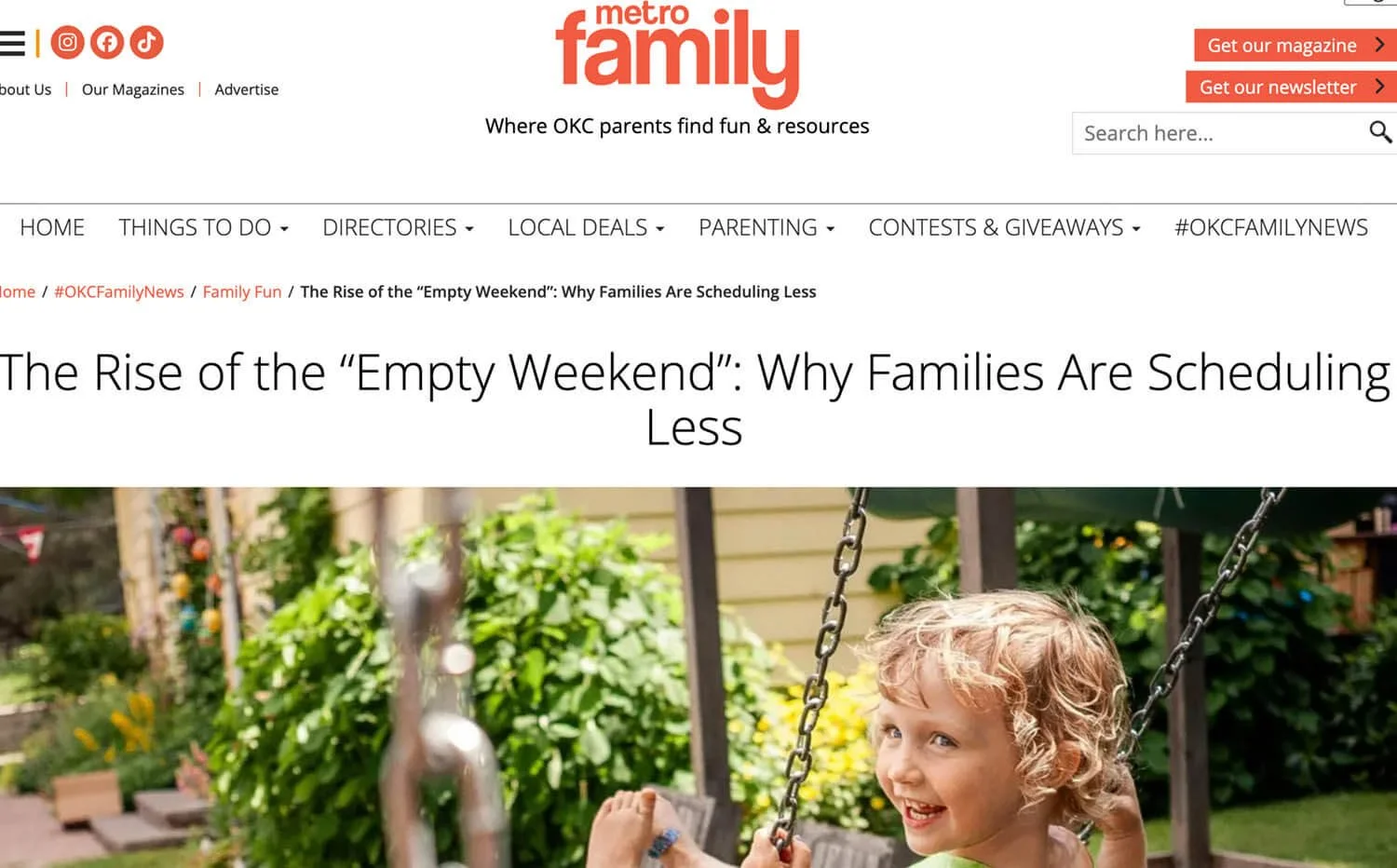
The key to successful SEO for photography websites is intent matching. When a busy publication editor searches for a specific concept, like a candid moment of a "kid on a swing" or "outdoor family lifestyle"—your photo needs to stand out over thousands of generic alternatives.
Quality over volume: Editing style, genuine emotion, natural light, and accurate keywording dictate whether an image gets picked.
Avoiding the vanity trap: Most creators on free stock platforms chase millions of views and downloads that yield zero actual website traffic or links. 90% of what I originally uploaded didn't convert into a single backlink.
Targeted asset selection: Image search intent is counterintuitive. It’s easy to waste months uploading high-art portfolio pieces that editors never select for editorial articles.
After trial, error, and analyzing real conversion data, I know exactly what editorial teams look for.
In our first session, we perform a complete asset audit of your archive, mapping your existing style directly to the high-demand editorial categories writers are actively hunting for. You don't have to guess.
-
No.
This isn't content distribution for vanity exposure, it’s an exceptionally high-ROI image link building strategy and white hat SEO for photographers.
It is the selective, strategic deployment of existing digital assets into global channels where they generate permanent authority signals, build domain authority, and push your website to the top of Google Search.
You aren't sacrificing commercial assets: You don't use client work, proprietary family portraits, or high-value commercial assignments.
You are trading asset exposure for site equity: A single editorial backlink from a DR 80+ media outlet or .edu domain costs hundreds of dollars through traditional link building agencies (and most of those are risky link farms). You are using dormant images to secure high-tier editorial real estate money can't buy.
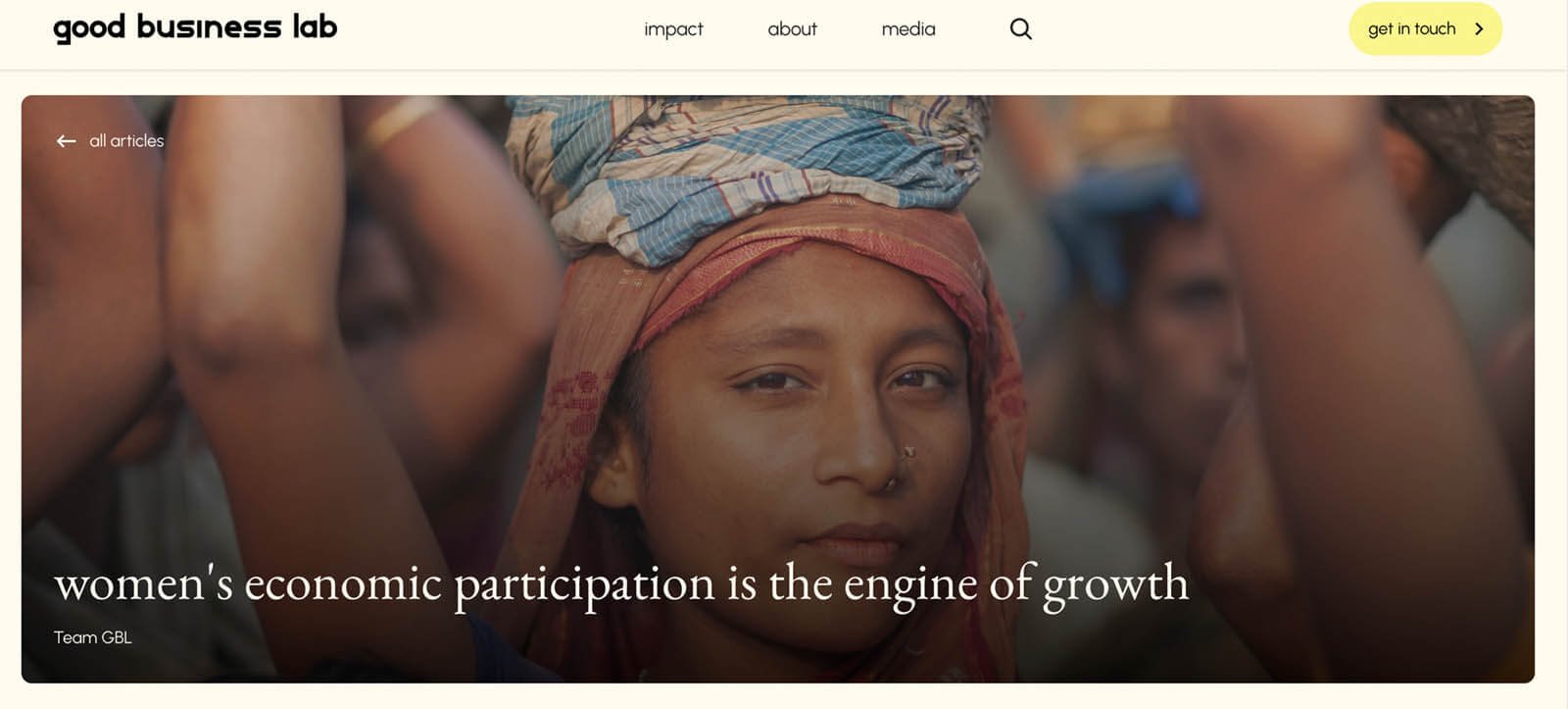
The attribution gap is your leverage: You will see your photos used everywhere—often by massive global organizations that don't credit you initially. That’s actually the goal. Uncredited image usage creates a natural, highly effective outreach opportunity.
Luckily, there is a human editor on the receiving end of every email. That’s where a photographer’s direct, authentic approach completely outperforms automated SEO agency spam.
-
No.
All enquiries begin with a review of your current site and positioning.
If the foundation is not aligned with the system, that will be identified upfront.
I will guide you on what you need to shoot to get rolling. This way you can acquire exactly the content editors are looking for.
-
Results came from earned editorial usage over eight months across a range of domains including publications and academic institutions.
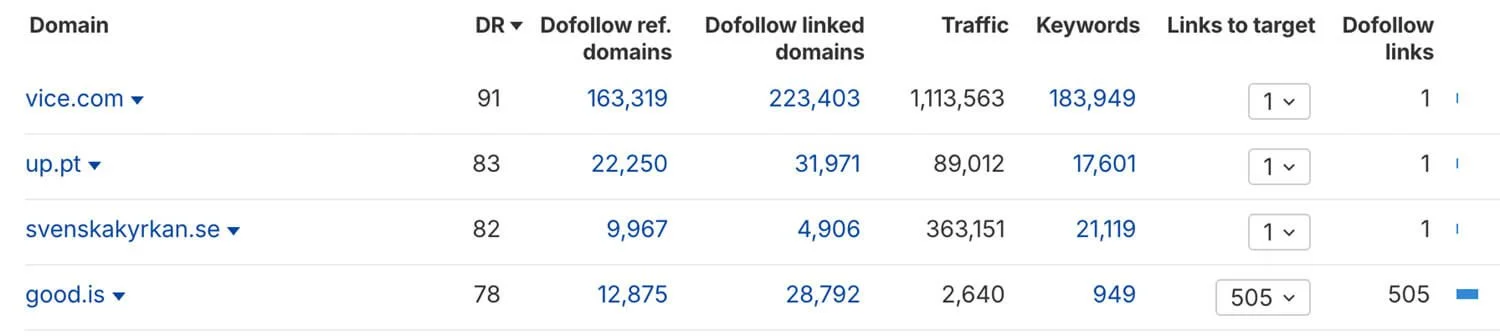
I acquired editorial backlinks from six universities including Harvard and Oxford, as well as prominent parenting and NGO-aligned sites, all contextual to my work as a family and documentary photographer.
Keeping in mind that DR is a vanity metric, it remains useful for gauging backlink authority. At least it’s something.
My links to date:
DR: 93 (nofollow) • 91 (×2) • 88 • 86 (×2) • 83 • 82 • 79 • 78 • 75 • 74 • 72 (×2) • 70 • 69 • 60 • 56 • 55 • 50 (×2) • 48 • 47 • 44 • 43 • 42 (×2) • 41 • 40 (×3) • 39 (×2) • 38 (×3) • 36 • 35 • 34 • 27 • 26 • 25 (×2) • 14Some of these individual links would be worth thousands of dollars if you could buy them, which you can't.
But I also wasted a huge amount of time chasing links that looked good, but actually weren’t as effective.
-
An image backlink is created when an editor, publication, or website embeds your photograph and credits your site with a hyperlinked source tag.
Unlike standard text link building—which often requires writing manual articles or paying for guest posts—image backlinks earn natural, contextually rich editorial citations directly from your visual media.
-
There's no single answer, but image attribution backlinks are one of the most effective methods of SEO for photographers, especially family photographers, and here's why: family and childhood photography is among the most in-demand imagery on the internet.
Parenting blogs, mom communities, university research pages, and NGO publications regularly use this type of photography to illustrate their content.
When those sites use your image and you secure proper attribution, you earn a contextually relevant, editorially placed backlink from a site in your exact niche — often with domain authority far beyond what a typical link-building campaign could reach.
A single link from a university or major parenting publication carries more SEO weight for a family photography business than dozens of low-traffic blog links combined.
And while I have a lot of very unique travel and documentary photography, family photography gets the most usage, by far.
But! Easily 90% of the family photography I uploaded didn’t convert at all. Subject matter and editing style play a huge role.
I also have a strategy around backlinks for wedding photographers, contact me to hear my ideas on this.
-
What about it?
Seriously, this whole idea that AI is going to make photographers obsolete is just not playing out online.
I have personally checked out 1,000+ websites using my images, and I see very few AI images being used. Why? Because they look terrible—especially when viewed side-by-side with real photography. Real photos have emotion and a hint of imperfection that connects with editors and audiences in a way a prompt never will.
Photographers aren't becoming obsolete; we are becoming more important in this supposedly pre-AI apocalypse era. Authentic, unscripted images hold more leverage now than ever before.
That said, AI is an indispensable tool for execution. We will be using it behind the scenes as a high-powered data utility to crush numbers and track down your valuable metrics.
-
It is, but consider what the alternative costs. The backlinks I've secured would be worth at least $20,000 if you could buy them. You can't.
As they say, you can have free, high quality, or easy — pick two. My whole mission is to make your path significantly shorter than mine was.
And honestly? It becomes addictive. Seeing your images turn up in the most unexpected corners of the internet is genuinely fascinating. Watching Oxford or Harvard credit your work is a different kind of satisfaction entirely.
Once you build a foundation of strong links, the process becomes something you can chip away at whenever you have an hour. Everything you do compounds.
Most of your competition isn't doing any of it.
-
Of course, I did.
But I should be clear about what I actually am: not an SEO professional, but a working photographer who spent hundreds of hours going deep into a specific, largely unknown corner of SEO that turns out to be unusually valuable — and almost entirely overlooked by photographers.
Traditional SEO advice doesn't apply here. I am still refining this daily. I find it genuinely fascinating — part business strategy, part online game — and I am probably a year ahead of where the photography SEO conversation will eventually land.
That said, the process has a massive number of decision points. Image selection, distribution strategy, outreach — each one has options that aren't obvious, and the wrong calls waste months. I tested five stock platforms, multiple image search services, different request strategies, incentivization approaches, editing styles, keywording frameworks.
95% of my early efforts didn't convert. I can show you what works and cut months off the process.
This program exists for busy photographers who need to start ranking this year, not next year.
-
A few reasons.
I'm showing you what to do, not doing it for you. You're saving 100+ hours, not paying for delivered work.
Good SEO consulting is normally expensive, and "good" is the key word. I once hired a "Squarespace SEO Expert" who set my site back a year to fix. I'm not an SEO professional, but I know far more than that person did.
If you read SEO forums, you'll see agencies admitting clients get 30 minutes a month for $500+. With this program, you get 8-10 hours of focused, hands-on work on your site and rankings, plus real help understanding Google Search Console, which paired with building Domain Authority is what actually moves you from page three to page one.
And honestly, I like helping other photographers. We're all in this together.
1-2-1 Backlink Building Sessions
Sign up for info